Best Neighborhoods in Chiang Mai for Villa Living
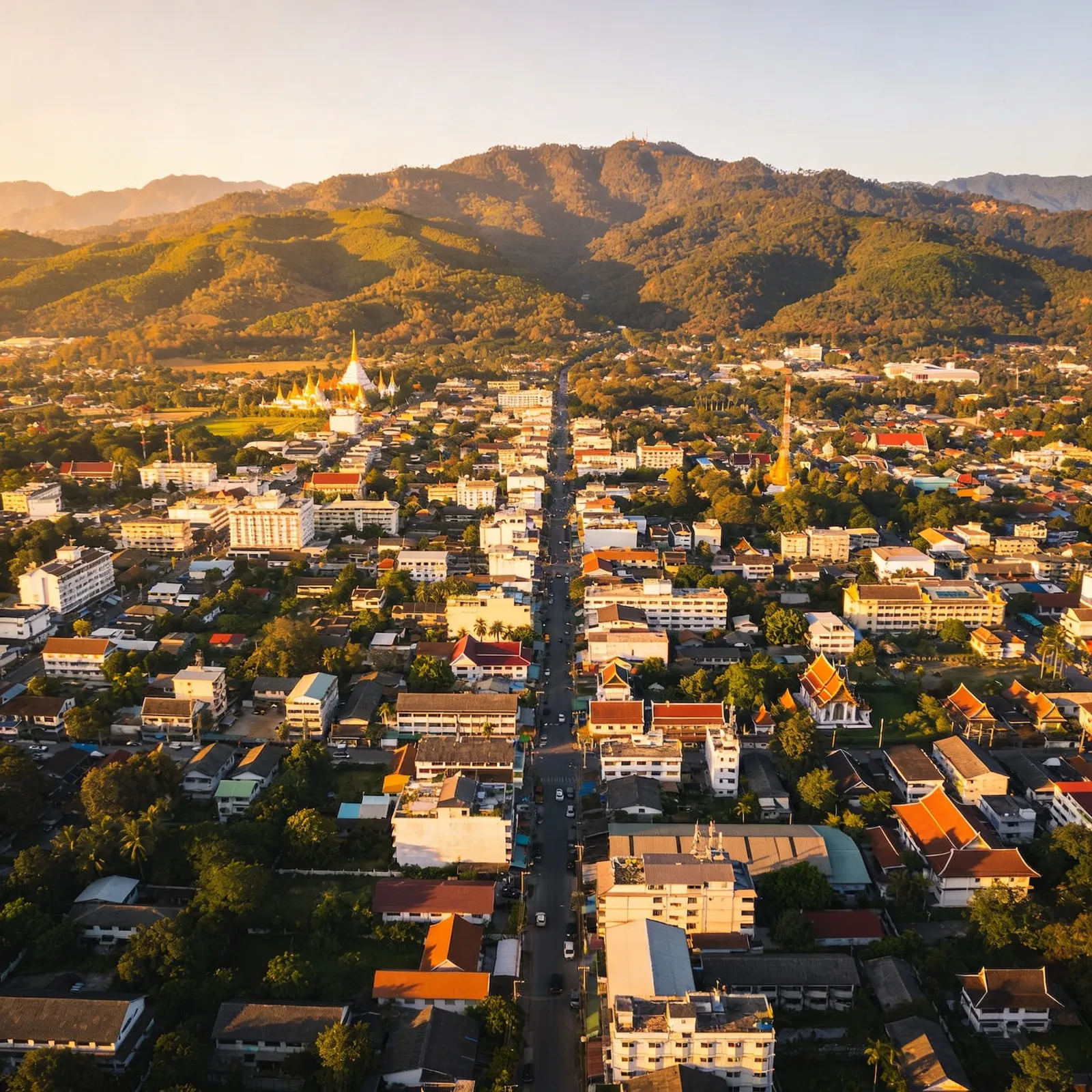
Chiang Mai has long shed its reputation as merely a backpacker's pitstop or a digital nomad's temporary office. Today, it's a city where luxury villa living is not just possible but thriving. The allure is easy to understand: a backdrop of misty mountains, a cost of living that dramatically outpaces Western capitals, and a culture that embraces beauty and tranquility. However, finding the perfect villa isn't just about the property's square footage or infinity pool size. It's about the neighborhood. The right district dictates your daily rhythm, your social connections, and your sense of peace.
This guide moves beyond the well-trodden expat enclaves to explore the nuanced pockets of Chiang Mai where villa living truly shines. We'll focus on areas that offer space, authenticity, and a genuine connection to the landscape, proving that you don't have to sacrifice convenience for serenity.
The Allure of the Villa Lifestyle
Before diving into maps and moobans (gated communities), it's worth defining what villa living means in the Chiang Mai context. Unlike a condo in the city center, a villa here is typically a standalone house, often single-story, with private outdoor space. It's a lifestyle choice that prioritizes gardens, private pools, and a connection to the tropical environment. The soundscape shifts from tuk-tuk engines to birdsong, and the skyline expands from concrete to the green silhouette of Doi Suthep.
This lifestyle is not about isolation. The best villa neighborhoods are those that have organically grown their own micro-communities, where local coffee shops are run by people who remember your order, and fresh markets are a short bicycle ride away. The key is finding a location that balances the privacy of a villa with the pulse of local life.
Nimmanhaemin: Urban Villas in a Cosmopolitan Hub
It may seem counterintuitive to start a villa guide in Nimmanhaemin, the indisputable heart of Chiang Mai's modern, trendy scene. This area is synonymous with digital nomads, artisanal coffee, and boutique shopping. While high-rise condos dominate the main strips, a secret world of urban villas exists in the sois (side streets) branching off Nimmanhaemin Road.
These are not sprawling estates but rather architect-designed, compact luxury homes. They cater to those who want a lock-and-leave lifestyle without sacrificing design integrity. Living in a Nimman villa means your morning walk for a flat white and avocado toast takes five minutes. You're within striking distance of world-class dining at venues like Ginger Farm Kitchen or the speakeasy-style bars that have made this area famous.
The trade-off is space and absolute silence. Gardens are intimate rather than expansive, and you will hear the hum of the city. But for professionals, couples, or small families who refuse to choose between a contemporary, private home and the energy of a cosmopolitan center, the hidden lanes of Nimmanhaemin offer a compelling, walkable villa lifestyle that few other Thai cities can replicate.
Hang Dong: The Established Sanctuary
If Nimmanhaemin is the city's stylish heartbeat, Hang Dong is its peaceful exhale. Located south of the city center along the Canal Road and Hang Dong Road corridors, this district has matured into Chiang Mai's most established villa belt. It's a name that surfaces often in expat conversations, and for good reason. The area is a patchwork of premium moobans, international schools, and a mature infrastructure that makes daily life effortless.
Hang Dong's reputation is built on family living. The presence of schools like Lanna International School, Pacifica, and Panyaden International School means the neighborhood is designed with spacious, secure communities in mind. Villas here are substantial, often featuring large plots, mature tropical gardens, and resort-style communal facilities. The Baan Wang Tan and Koolpunt Ville projects are prime examples of well-managed estates where a sense of community is tangible.
What prevents Hang Dong from feeling like a suburban bubble is its authentic Thai backbone. The Hang Dong market is a sensory feast, and you're never far from a rustic Northern Thai restaurant serving khao soi and grilled meats. The district also serves as a gateway to the natural attractions of the south, including the Night Safari and the Royal Park Rajapruek. For those seeking a proven, secure, and family-oriented villa environment with deep roots, Hang Dong remains the benchmark.
San Sai: The Up-and-Coming Counterbalance
On the opposite side of the city, to the northeast, lies San Sai. For years, it was overshadowed by the magnetism of Nimmanhaemin and the established reputation of Hang Dong. Today, San Sai is experiencing a quiet renaissance, attracting those who want a foot in both worlds: easy access to the city center and a neighborhood that still feels distinctly local.
The drive from the old city to San Sai is a visual journey through Chiang Mai's evolution. You leave the tourists behind around the Super Highway and enter a zone defined by wide roads, new housing developments, and a noticeably calmer atmosphere. Villas here offer excellent value. Your budget stretches further, netting you more land and larger living spaces than you would find closer to the mountain.
San Sai's charm lies in its authenticity. The morning markets are packed with locals, and the dining scene is refreshingly unpretentious. It's also strategically positioned for the expressway, making airport transfers surprisingly efficient. While the area lacks the dense, walkable cafe culture of Nimmanhaemin, it is developing its own scattered social infrastructure of garden restaurants and artisan bakeries. For the buyer or renter looking to escape expat central without isolating themselves from it, San Sai represents a strategic, forward-thinking choice.
Mae Rim: The Mountain Escape
Venture north of the city, and the landscape transforms. The flat valley floor gives way to undulating terrain, and the air feels noticeably fresher. This is Mae Rim, a district draped along the foothills leading to the Mae Sa Valley. For villa living that feels like a permanent retreat, Mae Rim is unrivaled.
This is not a neighborhood of convenience in the traditional sense. You won't walk to a 7-Eleven from most Mae Rim villas. Instead, you'll wake up to uninterrupted mountain views, perhaps with the sound of a nearby waterfall after the rainy season. The area is dotted with high-end, nature-immersive estates and private residences built on sprawling land. Attractions like the Queen Sirikit Botanic Garden, elephant sanctuaries, and the Four Seasons Resort are part of the local fabric, dictating a lifestyle built around nature, wellness, and privacy.
Mae Rim appeals to a specific villa buyer: the nature lover, the creative seeking solitude, or the family wanting to build a self-contained compound. The international school options, including Prem Tinsulanonda International School, anchor a sophisticated, albeit quieter, expat community. The drive into the city along the Mae Rim-Chiang Mai road is scenic and manageable, but the psychological distance is real. Living here means you prioritize the serenity of the mountains over the buzz of the Nimmanhaemin coffee strip, and for many, that is the ultimate luxury.
Finding Your Fit
Choosing the right neighborhood for your Chiang Mai villa is an exercise in self-awareness. The city offers a spectrum from the urban-chic lanes of Nimmanhaemin to the pastoral calm of Mae Rim, with the balanced communities of Hang Dong and San Sai bridging the gap. Each district has a distinct personality and a different answer to the question of what home truly feels like.
Before committing to a lease or purchase, spend time in these areas at different times of the day. Drive the route to your preferred grocery store during rush hour. Sit in the local coffee shop on a quiet Tuesday morning. The perfect villa is not just a beautiful structure; it's the right house in the right context. In Chiang Mai, that context is richer and more varied than almost anywhere else in Thailand.