Chiang Mai Property Investment: Returns and Opportunities
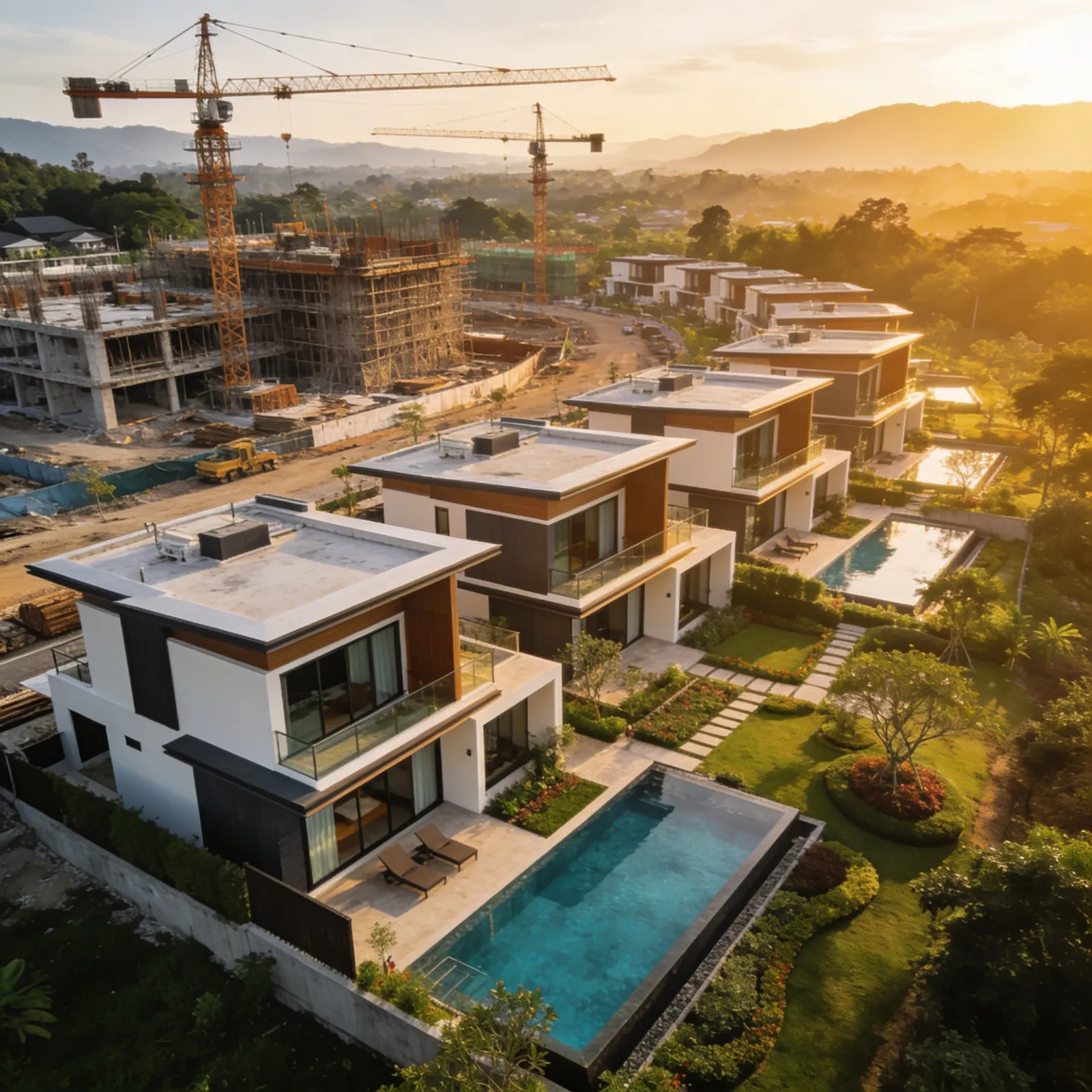
Nestled in the mountainous north, Chiang Mai has evolved from a laid-back backpacker hub into a sophisticated real estate market that blends cultural charm with modern returns. Thailand’s second city is now firmly on the radar of international investors, digital nomads, retirees, and savvy locals chasing yields that often outshine Bangkok and Phuket. This guide breaks down exactly what kind of returns you can expect, the best areas to target, and how to navigate the city’s unique investment landscape.
Understanding Rental Yields in Chiang Mai
Rental yield – your annual rental income expressed as a percentage of the property purchase price – is the heartbeat of any buy-to-let investment. Across Thailand, recent data from the Global Property Guide places the national average at 6.27%, though hands-on investors frequently push returns into 8–10% territory when they target the right niches. Chiang Mai operates slightly differently than the coastal resort markets. Here, the sweet spot is not always the headline-grabbing short-term villa but the humble, well-located condo or shophouse that delivers consistent monthly cash flow with far lower operating costs.
Condominiums in proven expat and student zones routinely net 5–7% gross yields, which rise to 7–9% for units under 2 million baht rented to Thai professionals and university staff. Houses and townhouses on the urban fringe yield a more modest 4–6% but attract stable, multi-year tenants. Short-term rentals, especially those around the Nimmanhaemin and Old City areas, can jump beyond 10% during the high season (November to February), though they require active management and compliance with hotel licensing rules. The key metric to watch is net yield after common fees, maintenance, mortgage interest, and taxes – a figure that often sits 1–2 percentage points lower than the gross number but still frequently outstrips bank deposit rates in the ASEAN region.
Why Chiang Mai Stands Apart
Chiang Mai’s investment case rests on three pillars that Bangkok and the southern islands simply can’t replicate. First, the entry price is dramatically lower. A modern studio condo near key amenities in the Nimman area can still be secured for 1.5–2.5 million baht, whereas a comparable Bangkok unit in a connected location easily costs double. This price affordability amplifies yield percentages even with moderate rent levels. Second, the city enjoys a rare mix of tenants: international students at Chiang Mai University, tech workers in the burgeoning start-up scene, long-stay retirees from Europe and Asia, and a constant flow of digital nomads who rent for one to six months. This diversity cushions demand against external shocks. Third, operating costs remain gentle. Maintenance fees in older buildings are often 25–35 baht per square metre per month, property taxes are negligible for non-rented units, and construction quality in the higher-altitude, cooler climate means less weather-related wear.
Decoding the Neighbourhoods
Location is everything, and Chiang Mai’s returns vary enormously by micro-area. Nimmanhaemin, the city’s trendiest postcode, blends boutique hotels, co-working spaces, and café culture. Here, one-bedroom condos rent for 15,000–25,000 baht per month, easily yielding 6–7.5% on a 3-million-baht purchase. The Old City, with its temples and heritage walls, draws short-term tourists and history-loving long-stayers. Studios and one-beds inside the moat can achieve nightly rates of 800–1,500 baht during peak tourism, though legal restrictions on daily rentals mean most investors play the medium-term (monthly) game and still see 7–8% yields when priced under 4 million baht.
Moving outward, the Santitham area wins on price-to-rent ratios. A basic studio bought for 900,000–1.2 million baht and rented to students at 5,000–7,000 baht monthly pushes gross yields to 7–9%, making it a cash-flow favourite. Suburban zones like Hang Dong and San Sai attract families and international school teachers, with single houses priced from 2.5 million baht delivering 4–5% yields but substantial capital appreciation potential as infrastructure improves. The Airport-Leech Road corridor benefits from proximity to the international airport and big-box retail, attracting middle-income Thai renters who value convenience over trendiness. Here, two-bedroom condos in buildings with pools and security rent for 12,000–18,000 baht, generating stable 5.5–6.5% returns.
Long-Term vs. Short-Term: The Income Strategy
Your choice of rental strategy dramatically shapes returns. Long-term leases – anything from six months upward – deliver the smoothest income. A 30-square-metre studio in a well-maintained condo near Maya Mall can command 8,000–10,000 baht per month with minimal vacancy risk. Landlords typically lock in one-year contracts, receive two months’ deposit, and enjoy the benefit of tenants who pay utilities directly. This hands-off approach suits overseas investors using professional management companies that charge 10–12% of monthly rent.
Short-term rentals, in contrast, are a volume game. A stylishly furnished apartment on a high floor with mountain views might list on Airbnb for 1,200 baht per night. Assuming 65% occupancy year-round, that unit generates around 23,000 baht monthly – but management fees run 15–20%, cleaning costs bite, and seasonal dips during April’s smoky season can slash income. Savvy investors counter this by blending strategies: serve digital nomads with one- to three-month stays using platforms like Nomad Rental, which command higher per-month rates than long-term leases while dodging the daily churn and regulatory risk of pure holiday lets. The legal landscape is critical; while many condo buildings in Chiang Mai turn a blind eye to short stays, the Hotel Act requires a licence for daily rentals. Enforcement has tightened since 2023, making compliance a non-negotiable part of your due diligence.
Maximising Your Return: Practical Levers
Chiang Mai rewards investors who sweat the details. Start with the condo’s juristic person – a well-run building with healthy sinking funds and no history of special assessments preserves your net yield. Furnishings matter enormously; a fully equipped kitchen and fast fibre internet turn a 6,000-baht bare shell into a 9,000-baht rental, paying back the furniture cost within 18 months. Air quality is a growing differentiator. Install a high-grade air purifier and advertise a “PM2.5-safe” environment to command a 8–12% rent premium during the burning season, which increasingly influences tenant decisions.
Targeting niche demographics boosts occupancy. Chiang Mai’s Muay Thai tourism brings fitness-focused guests who seek weekly rentals near training camps on the outer ring roads – properties there often yield 8–10%. The city’s blossoming crypto and remote-worker community also prioritises condo buildings with solid co-working facilities, swimming pools, and 24-hour security. Even a modest unit in a project like D Condo or The Nimmana can out-earn a larger house if it serves that lifestyle demand. Finally, work with local agents who truly understand the expat and Thai tenant mix. They’ll help you avoid the over-supplied luxury segment – high-end projects above 5 million baht often yield a disappointing 3–4%, as the rental pool shrinks dramatically at the top end.
Financing and Legal Foundations
Foreign investors should know the rules before wiring funds. Freehold condominium ownership is open to non-Thais within the 49% foreign quota, and these units resell easily. Houses and land, however, require a leasehold structure or a Thai company, which adds complexity and ongoing cost. Mortgage finance for foreigners remains limited; most investors either buy in cash or secure financing from private banks in Singapore or Hong Kong using their overseas assets. The bright side is that all-cash purchases in the sub-2-million-baht segment deliver the fattest yields because there is no interest cost to erode returns. Budget for transfer fees (2% of the registered value), stamp duty (0.5%), and withholding tax, typically split with the seller. Engaging a reputable Bangkok-based law firm with a Chiang Mai branch adds 15,000–30,000 baht to your purchase cost but pays for itself by verifying the title deed, foreign quota status, and building financials.
Risks and Realities to Manage
No market is without shadows. Chiang Mai’s infamous smoky season from February to April sees some short-term tenants flee, trimming quarterly incomes. Mitigate this by leaning into the green-season marketing: incredibly lush landscapes, lower crowds, and competitive long-term rates for summer-school teachers or students. Oversupply in the condo market is real – nearly 8,000 new units were completed in 2023 alone. Stick to resale units in established locations rather than off-plan launches with uncertain delivery dates. Property management quality is another variable; do not accept an agent’s promise without physically visiting the building, speaking to existing owners, and checking the common area upkeep. Finally, recognise that the Thai baht’s strength can affect your exit returns when converted back to your home currency. Some investors hedge by parking a portion of their funds in a Thai bank account with a fixed deposit, synchronising property income and currency exposure.
Seizing the Chiang Mai Opportunity
Chiang Mai sits at a compelling crossroads where low capital entry, robust tenant diversity, and a lifestyle that sells itself combine to deliver yields rarely found in mature global markets. Whether you purchase a student-focused studio in Santitham for a rock-solid 8% net yield or curate a design-led two-bedroom in Nimman for a blend of capital growth and income, the north offers a tangible, investable story. Approach with local knowledge, a clear tenant profile in mind, and a willingness to add the small touches that separate a booked calendar from an empty one, and Chiang Mai can become not just a pleasant place to invest, but a steady engine of passive income.