Renting a Villa in Chiang Mai: What You Need to Know
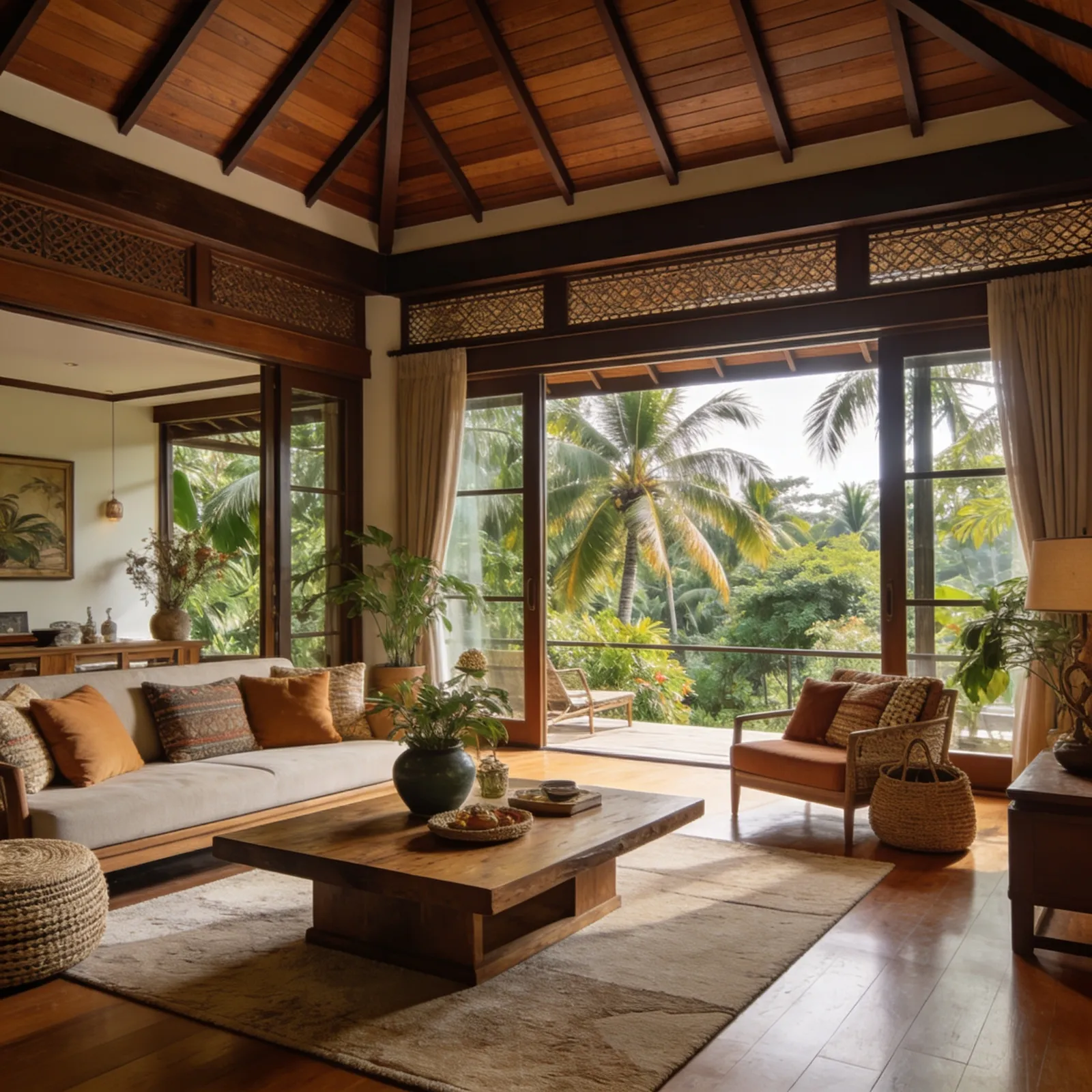
Chiang Mai’s allure goes far beyond its ancient temples and vibrant street food. For many expats, digital nomads, and families, the dream of living in the Rose of the North means trading a condo’s compact footprint for the generous space of a private villa. Renting a villa here offers a lifestyle that blends indoor-outdoor living, tropical gardens, and often a level of peace that’s hard to find in the city center — but it also comes with a unique set of considerations. This guide walks you through everything you need to know before signing a lease, from the best neighborhoods to the fine print you should never skip.
Why Choose a Villa in Chiang Mai?
The villa market in Chiang Mai caters to a wide range of budgets and preferences. Unlike a high-rise apartment, a standalone home gives you a private garden, parking space, and typically more than one bedroom — often with separate living and dining areas. If you work from home, the extra square meterage means you can set up a dedicated office away from your sleeping area. Families value the safe, fenced compounds and nearby international schools that many villa communities provide. Even solo renters who simply crave elbow room are increasingly looking beyond condos; it’s not unusual to find a 55-square-meter house for under 28,000 baht per month, as one expat noted when seeking a spacious home for themselves.
What really sets a villa apart, however, is the connection to Chiang Mai’s laid-back outdoor culture. Mornings start with coffee on a terrace overlooking the mountains, weekends might involve grilling by a small private pool, and evenings are spent listening to cicadas rather than traffic. You’ll need to embrace a bit more self-sufficiency — handling your own trash disposal, garden maintenance, and occasional creature encounters — but for most, the trade-off is overwhelmingly positive.
Understanding Chiang Mai’s Villa Market
Rental prices are surprisingly varied and often not directly tied to the size of the house. While a compact 2-bedroom, 2-bathroom house in a popular suburb like Hang Dong can start from as low as 15,000 baht per month (think a 90-square-meter Nordic-style home near Panyaden International School or BCIS), a larger 3-bedroom family villa in a prime Nimman-adjacent area such as Suan Dok might command 35,000 baht or more. Fully furnished properties are the norm, and many include appliances, bedding, and even kitchenware, though you should always clarify.
The sweet spot for a comfortable long-term villa in a good location is typically between 20,000 and 40,000 baht per month. At the top end, luxury pool villas in gated communities with mountain views can reach 50,000 baht and beyond. Meanwhile, budget-conscious expats actively hunt for hidden gems under 10,000 baht, usually older houses in less expat-saturated areas or slightly further from the city. Keep in mind that the quoted rental price often excludes utilities, internet, and communal fees if the villa is inside a moo baan (walled community) with a guard, clubhouse, or pool.
Annual leases are standard, though some landlords accept six-month contracts with a slightly higher monthly rate. A deposit of two months’ rent is common, so having cash on hand for the deposit and first month’s rent is a must.
Key Areas for Villa Rentals
Chiang Mai’s geography shapes the rental landscape. The city center — the old moat area and Nimmanhaemin — is dominated by condos and shophouses; true villas are scarce there. Instead, you’ll find the best standalone homes radiating outwards along the main arteries.
Hang Dong is the undisputed hub for family-oriented villa living. The area south of the city is dotted with international schools (Lanna, Panyaden, Unity, BCIS) and an ever-growing selection of modern housing estates. Villas here are often new builds in secure villages, blending contemporary design with northern Thai touches. Prices range from 18,000 to 45,000 baht for a 3-bedroom house, and you’re rarely more than a 15-minute drive from airport plaza and big shopping centers. If you have children or simply enjoy the expat community buzz, Hang Dong is a strong bet.
San Sai and Mae Jo, northeast of the city, offer a more local, agricultural feel. Rents are noticeably lower; a 3-bedroom villa can still be found for 10,000–18,000 baht. The trade-off is a longer commute into town, though the expressway helps. This area appeals to those who want a quiet, authentic Thai neighborhood with rice paddies and friendly neighbors, while still being close to Central Festival and the outer ring road.
Mae Rim to the north is a favorite for nature lovers and families attending Prem Tinsulanonda International School. The valley setting delivers cooler breezes and stunning mountain backdrops. Many villas here sit on larger plots with landscaped gardens, sometimes with private pools, and rents often start around 25,000 baht and climb significantly for high-end properties.
Chang Phueak and Suan Dok are inner-suburbs just outside the superhighway, providing a sweet spot between urban convenience and villa space. A pet-friendly 3-bedroom house with a sizeable living area near NIS or Central Festival can rent for around 30,000 baht. The area around Chiang Mai University’s medical campus in Suan Dok even throws up mixed-use houses that can be rented for as much as 35,000 baht, especially if they come with a workspace or home-office possibilities.
San Kamphaeng and Doi Saket, to the east, are increasingly popular with creatives and early retirees. You’ll find artisan villages, hot springs, and a slower pace. Villas tend to be more quirky, occasionally with workshop spaces, and prices are moderate — often 15,000 to 30,000 baht.
When choosing an area, imagine your daily routine. Will you need a co-working space or a frequent grab ride into Nimman? If you’re reliant on a scooter, living up against the hills in Mae Hia or Hang Dong’s country lanes might mean a pitch-black ride home on unlit roads after dark. Families should check school bus routes; many schools serve only specific villages.
What to Look for When Inspecting a Villa
Never sign a lease based on photos alone, especially in Chiang Mai where humidity and seasonal flooding can hide serious flaws. Here’s a concrete checklist to use during a viewing.
Water and plumbing – Turn on every tap and shower. Check water pressure (low flow is common in older houses). Flush toilets and look under sinks for leaks. Ask if the villa uses a water pump and storage tank; during the hot season, municipal supply can be unreliable, and having a pump and backup tank is essential.
Air conditioning – Stand next to each unit while it runs. It should be quiet and blow cold air immediately. Note if the villa uses older window units that guzzle electricity. A house with multiple air cons can rack up a 4,000–6,000 baht monthly electric bill during the smokey or hot season if you’re not careful.
Internet readiness – For remote workers, fast fiber optic is non-negotiable. Confirm that 3BB, AIS Fiber, or True Online are available at that specific address, not just the village. Some secluded villages in Mae Wang or along the Samoeng loop still rely on slower DSL. Ask the landlord if a previous tenant left a router or if you’ll need a new installation; installation is often free with a 12-month contract but takes a few days.
Pests and structure – Look for termite tracks (mud tubes on walls) and droppings from roof rats. Check for musty smells that signal hidden mold, especially in partially furnished wooden houses. Inspect ceilings for water stains, a telltale sign of roof leaks during the rainy season.
Flood risk – During a heavy rain spell, certain areas like Saraphi, parts of San Sai, and low-lying sois off Charoen Muang Road can flood. Talk to neighbors, look for watermarks on walls, and ask the landlord directly. A good villa will have been built on raised land or have effective drainage.
Security – Even in a safe city, a villa’s privacy can attract opportunistic theft. Look for security bars on windows, solid locks, an alarm system, or simply an active neighborhood watch. Gated villages with 24-hour guards are popular among expats for peace of mind.
Transport and parking – Unless the villa is on a main songthaew route, you’ll need your own wheels. Confirm the carport can accommodate your vehicle (some older houses have very narrow or low entries). Check if the soi is paved; red dust in the dry season and mud in the wet can make an unpaved lane a daily headache.
Inclusions – Verify what “fully furnished” means in writing. Does it include a refrigerator, washing machine, TV, and bed? Is the garden maintenance included in the rent (common in villages, less so for standalone houses)? Who pays for pool servicing if there’s a private pool? The more you clarify upfront, the smoother your stay.
Lease Terms and Negotiation
Thai rental contracts are typically straightforward but weighted in favor of the landlord. Standard terms include a 2-month security deposit, payable in cash or via bank transfer, and the deposit is only returned after a final inspection — minus deductions for damage beyond normal wear and tear. Take time-stamped photos of every room and appliance during move-in and share them with the landlord on messaging app to create a paper trail.
Rent prices are sometimes negotiable, especially if you’re signing a year-long lease and paying a large deposit upfront. If a villa has been vacant for a while, offering 10% less than the asking price is a reasonable opening. You can also negotiate inclusions: perhaps the landlord agrees to install new air conditioning units, replace an old refrigerator, or cover the first month’s internet installation fee.
Be cautious about “recommended” service providers. Some landlords push specific utility providers or cleaners who charge inflated rates. You have the right to set up your own electricity and water accounts in your name. For internet and mobile, arrange it directly with the provider; this also makes it easier to transfer the service when you move to another house.
Avoid making verbal agreements. If a landlord promises to fix the water pump next week, send a polite confirmation via text or Line. If you’re dealing through an agent, ensure the agent’s commission (usually borne by the landlord) does not affect your deposit or rent terms. A reputable agency like Expat Homes can help navigate the private listing market, simplifying the search for a villa that matches your criteria without you having to trawl through dozens of Facebook groups.
Practical Tips for a Smooth Rental Experience
- Set up utilities immediately: Electricity in Chiang Mai is managed by the Provincial Electricity Authority (PEA); you can pay at 7-Eleven, through mobile banking, or via direct debit. Water is typically billed by the village office or local provider and costs 20–30 baht per unit. Budget 2,000–4,000 baht per month for electricity if you run air conditioning modestly.
- Get home insurance: While not mandatory, insuring your personal belongings is wise, especially in standalone houses. Local insurers offer policies for around 3,000–6,000 baht a year.
- Know the smoke season: If you’re renting from February to April, check whether the villa has air purifiers and sealed windows. Many villas in prime locations still fill with haze; having a room with a powerful air purifier is a lifeline during the burning season.
- Respect the neighborhood: In a moo baan, you’ll have community rules — no loud parties late at night, sometimes restrictions on running a business from the house. Read the regulations before moving in to avoid friction.
- Learn basic Thai phrases: Even a simple “hello, the water pump is broken” in Thai goes a long way when dealing with a landlord who doesn’t speak English or the local handyman.
Conclusion
Renting a villa in Chiang Mai can be the gateway to a deeply satisfying lifestyle, whether you’re a family seeking a garden for your kids, a remote worker wanting a quiet home office, or a retiree ready to soak in the mountain views. The key is to match your expectations with the right area, inspect meticulously, and never gloss over the lease details. With patience and a clear checklist, you’ll unlock a home that feels genuinely yours — a private slice of northern Thailand that no hotel or condo can ever replicate.
By weaving together local knowledge, realistic pricing, and practical inspection advice, this guide arms you with the insights you need to navigate the Chiang Mai villa market confidently. Take your time, visit multiple properties at different times of day, and trust your instincts — your perfect Chiang Mai villa is out there.